

New anticancer vaccine approach targets neuroblastoma (opens in a new tab)
Research led by Olga Piskareva provides early preclinical evidence for an mRNA vaccine approach targeting neuroblastoma.
Latest news
New papers, grants, visiting speakers, awards and developments from our research community.
Research led by Olga Piskareva provides early preclinical evidence for an mRNA vaccine approach targeting neuroblastoma.
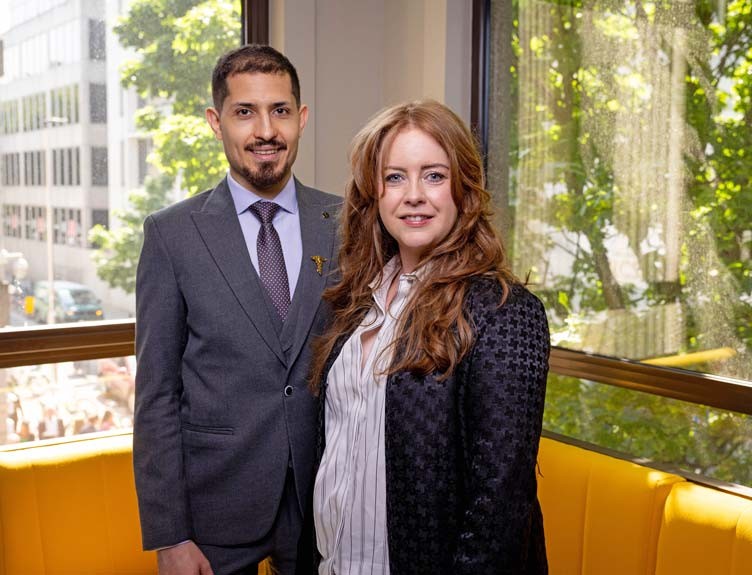
The low-cost model reproduces the heart valve’s complex directional mechanics under physiological pressure and flow.
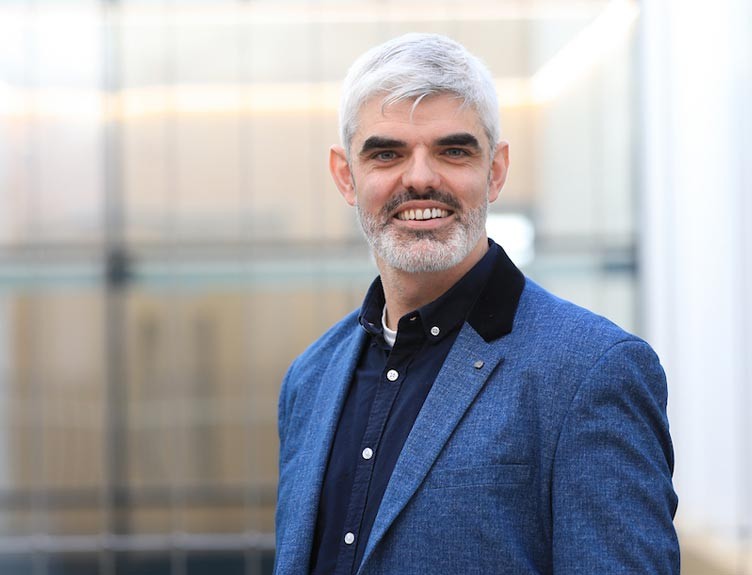
HARD2HISTO will support preparation and analysis of bone, joints, teeth and tissues incorporating complex medical devices.

The eight-year fellowship supports MX-REGEN, an advanced 3D-printed implant programme for traumatic brain injury repair.
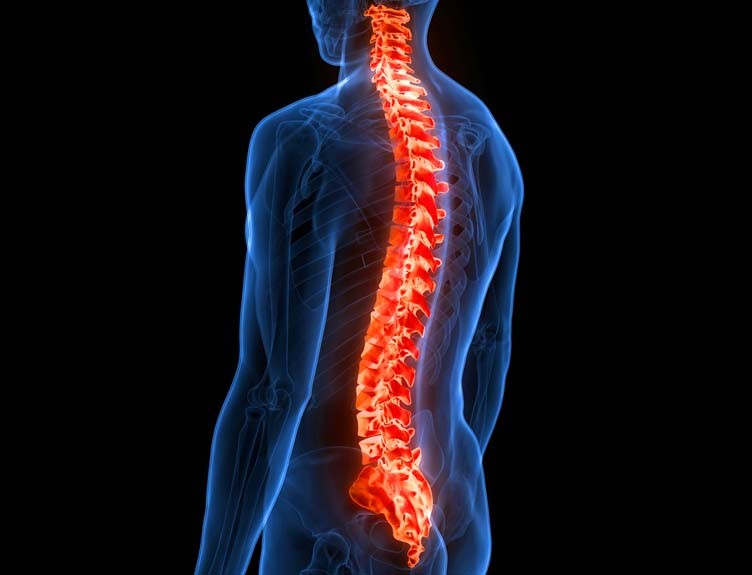
TERG and AMBER researchers combined a biomimetic 3D implant with RNA-carrying particles to promote neuronal regrowth after spinal-cord injury.
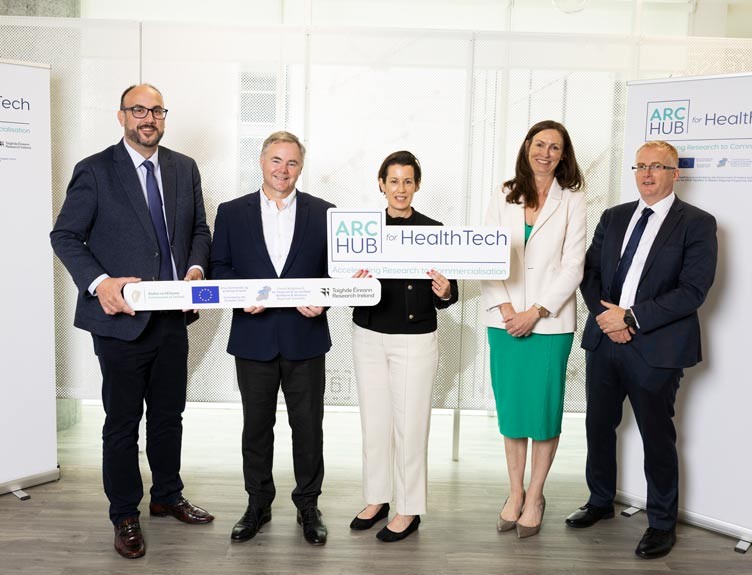
RCSI projects led by Aamir Hameed, Ian Woods and Fergal O’Brien will advance heart-failure biosensing and neurological medical devices.

The four-year award supports a minimally invasive, nanomaterial-enabled implant for electrical stimulation after traumatic brain injury.

The Horizon Europe consortium is developing smart, sustainable and injectable hydrogels for bone loss and fracture repair.
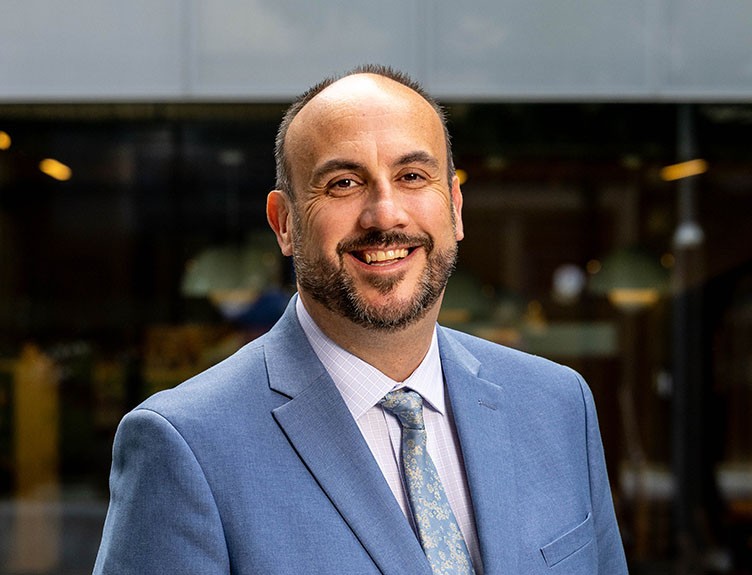
Professor Duffy’s appointment strengthens RCSI activity across tissue engineering, MedTech, soft robotics and patient-centred translation.
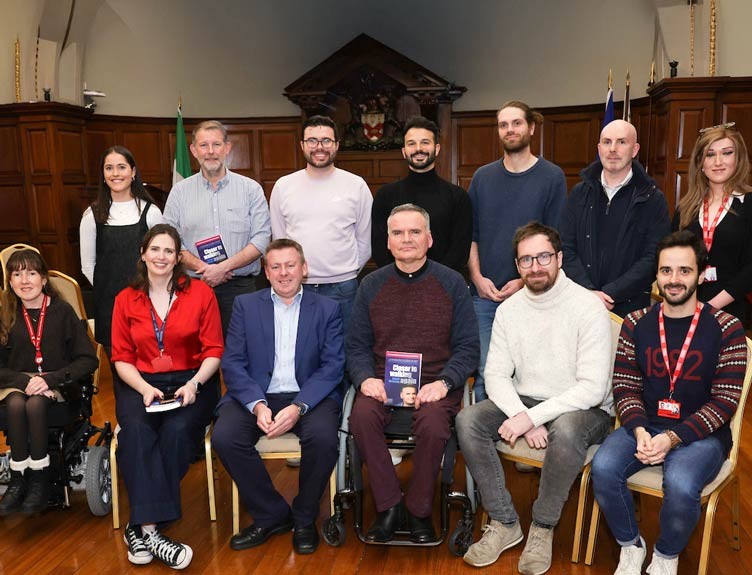
A new book by Ciarán McCarthy reflects on spinal-cord injury and his contribution to TERG’s Spinal Cord Research Advisory Panel.

TERG and AMBER researchers developed an electroconductive, 3D-printed scaffold that can convey electrical signals at an injury site.
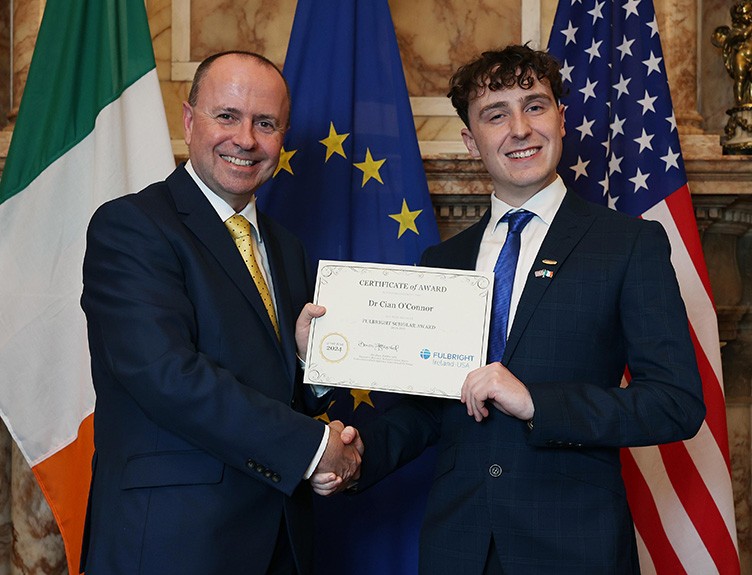
The Fulbright Irish Award supports international research, study and collaboration with leading institutions in the United States.
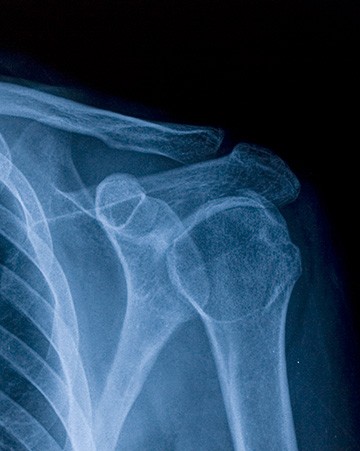
TERG researchers combined a scaffold, a genetic signal and antimicrobial copper nanoparticles to support bone repair and resist bacterial attachment.