
Structure
Scaffolds, hydrogels and printed constructs designed around tissue architecture and mechanics.
Our research
Our programme moves between research platforms, biological mechanisms and clinical applications—connecting material design with translation from the start.
Research overview
TERG combines biomaterial platforms, instructive therapeutic strategies and clinically informed applications to support repair across multiple tissues and disease contexts.
TERG connects biomaterial design, biological signalling and clinically informed engineering. Our programmes move from enabling platforms through therapeutic strategies to tissue-specific applications.
Scaffolds, hydrogels and printed constructs designed around tissue architecture and mechanics.
Biological, genetic, electrical and immunomodulatory cues that guide repair.
Clinical insight, device development and partnerships built into the programme.
Platforms
01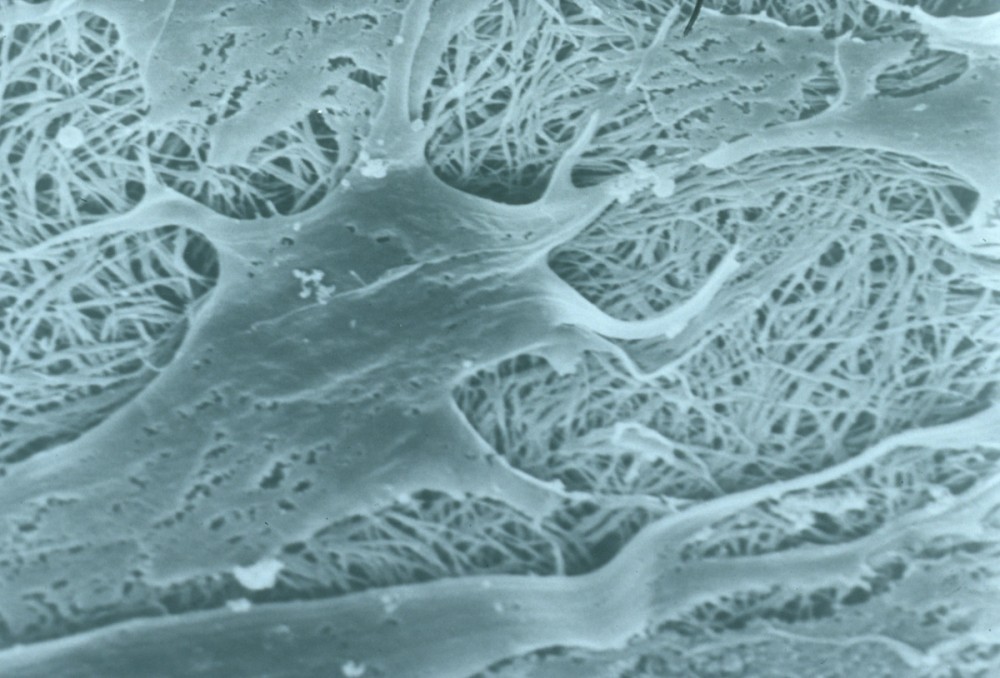
Natural-polymer scaffolds engineered to reproduce extracellular-matrix structure, guide cell behaviour and support tissue repair.
7 associated researchers
Explore research area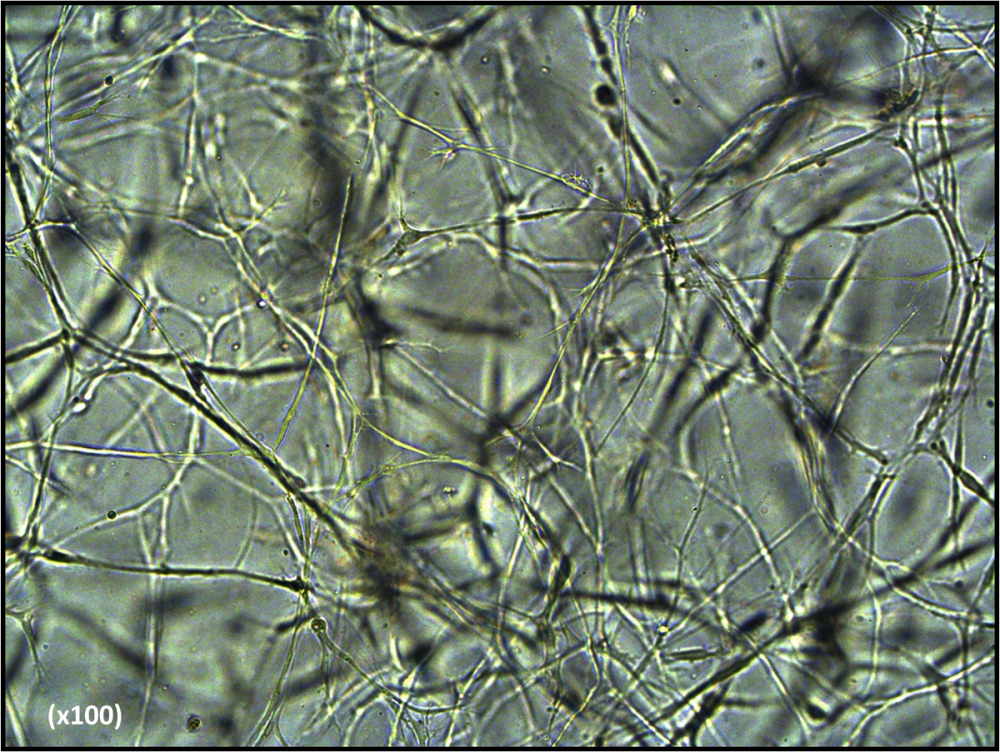
Injectable, printable and stimuli-responsive hydrogels for controlled delivery, tissue support and next-generation biomedical devices.
6 associated researchers
Explore research area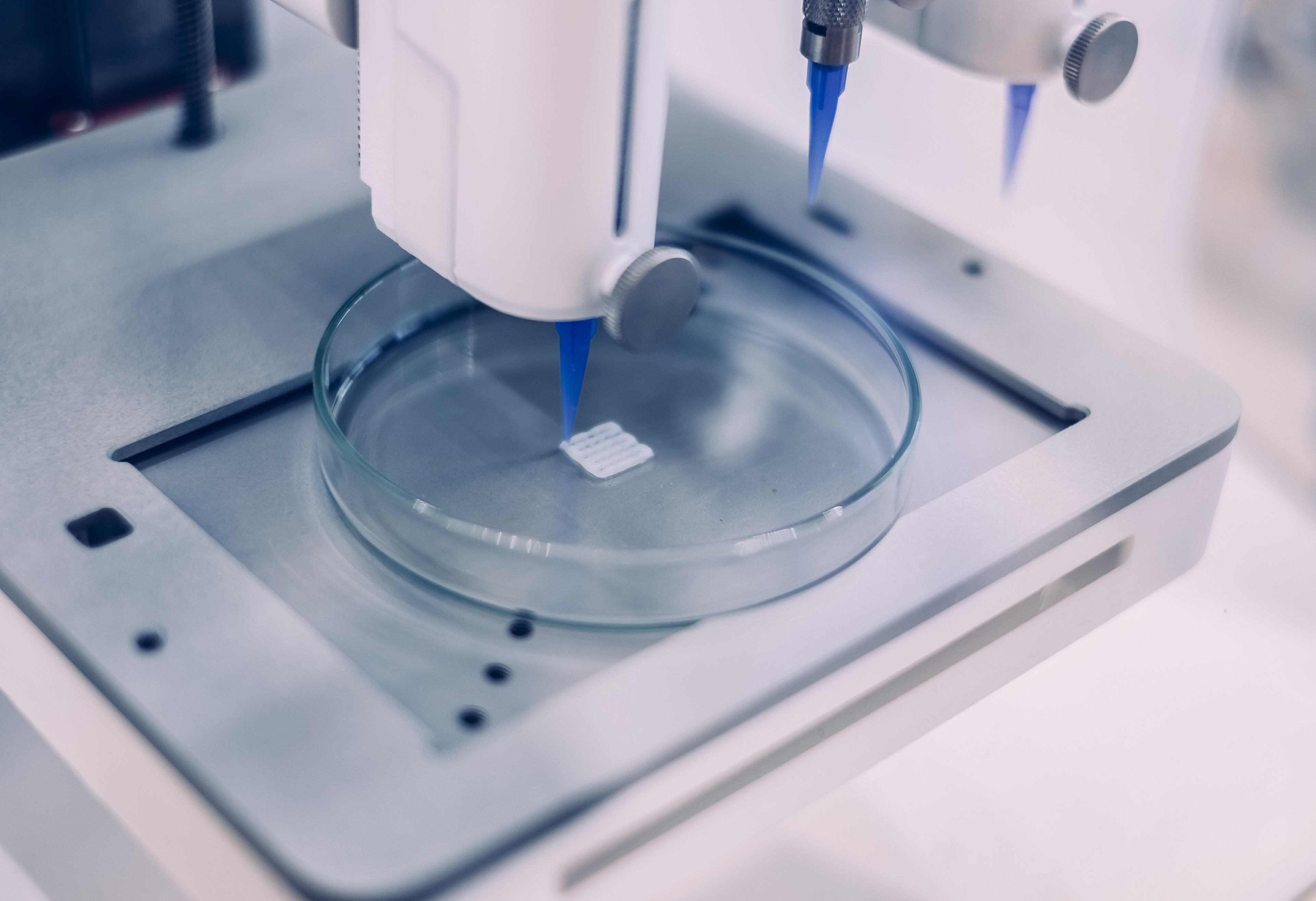
Additive-manufacturing and bioprinting approaches that organise biomaterials, cells and conductive components with spatial precision.
5 associated researchers
Explore research area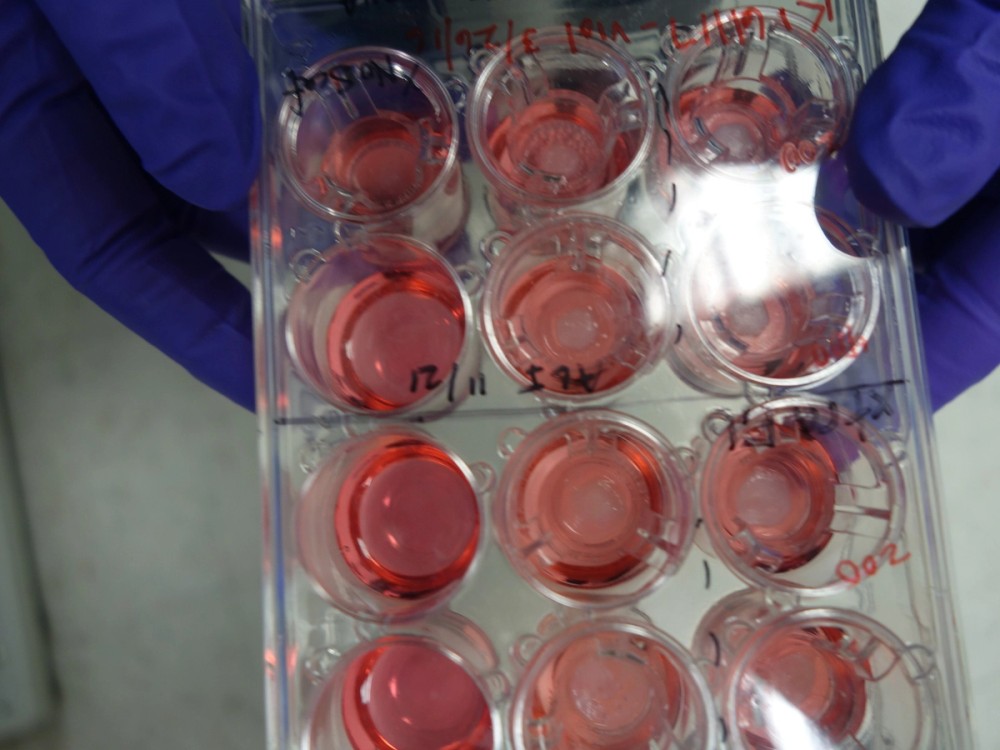
Microneedles, cardiovascular and neural implants, biosensors and minimally invasive devices for therapeutic delivery, monitoring and tissue repair.
5 associated researchers
Explore research areaResearch areas
02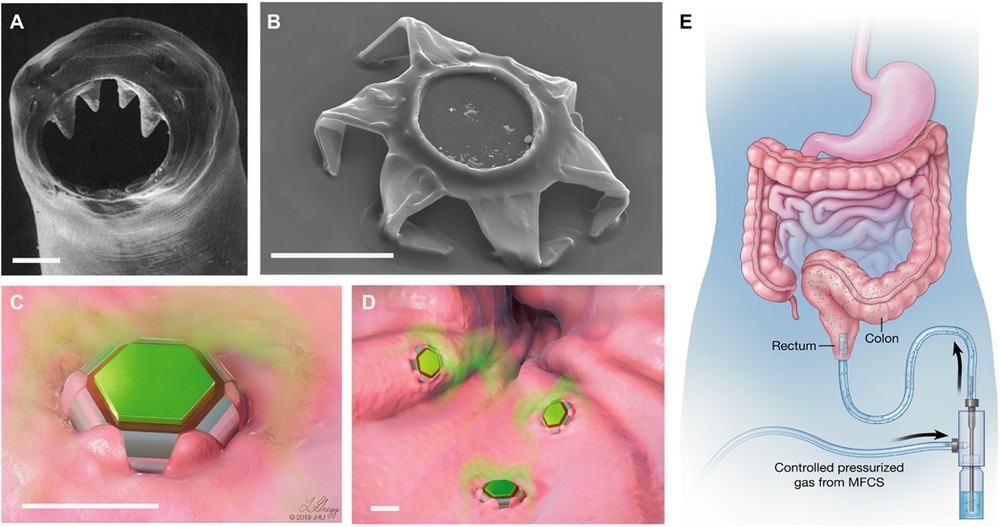
Local delivery of drugs, proteins, peptides, bioinorganic ions, nucleic acids and cells from biomaterials and medical devices.
7 associated researchers
Explore research area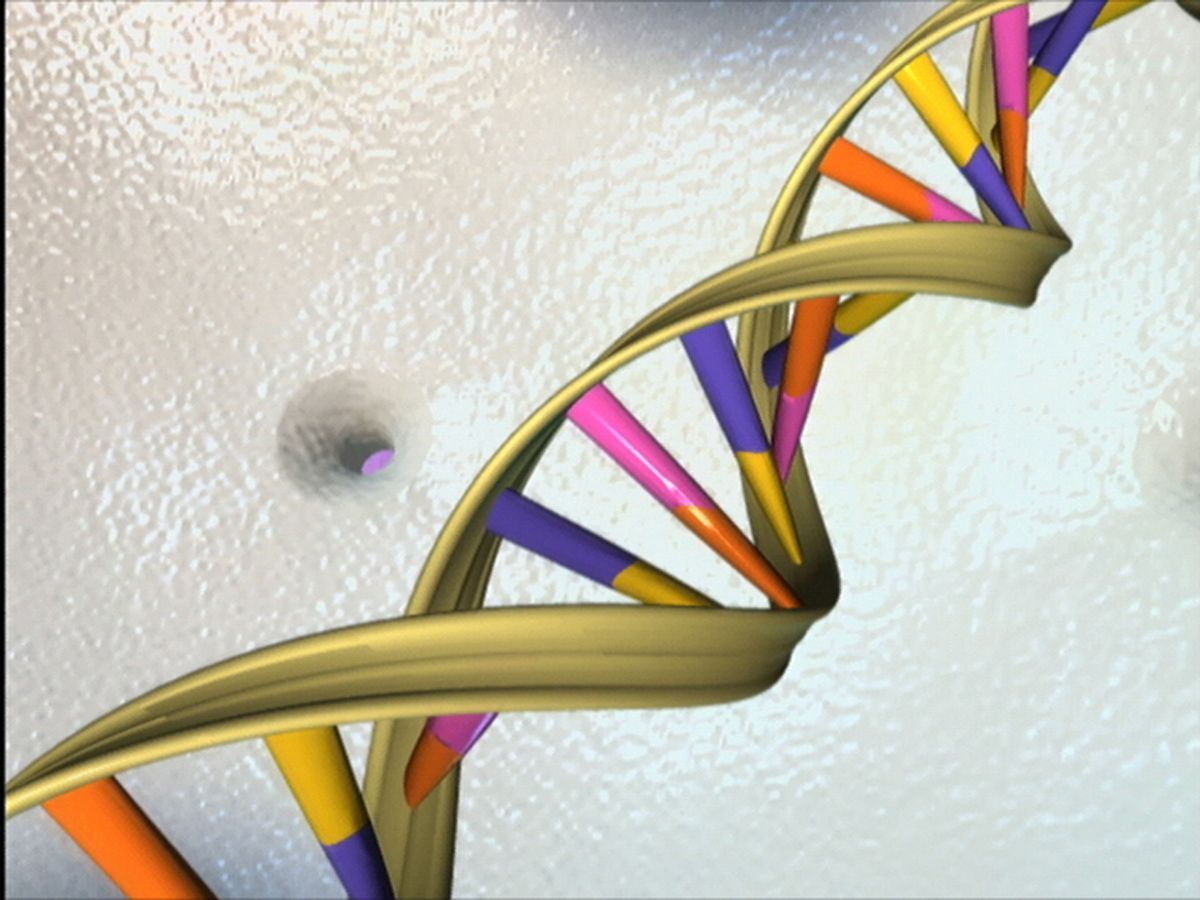
Non-viral vectors and biomaterial platforms that deliver genes, microRNAs and other nucleic-acid therapeutics at the site of repair.
6 associated researchers
Explore research area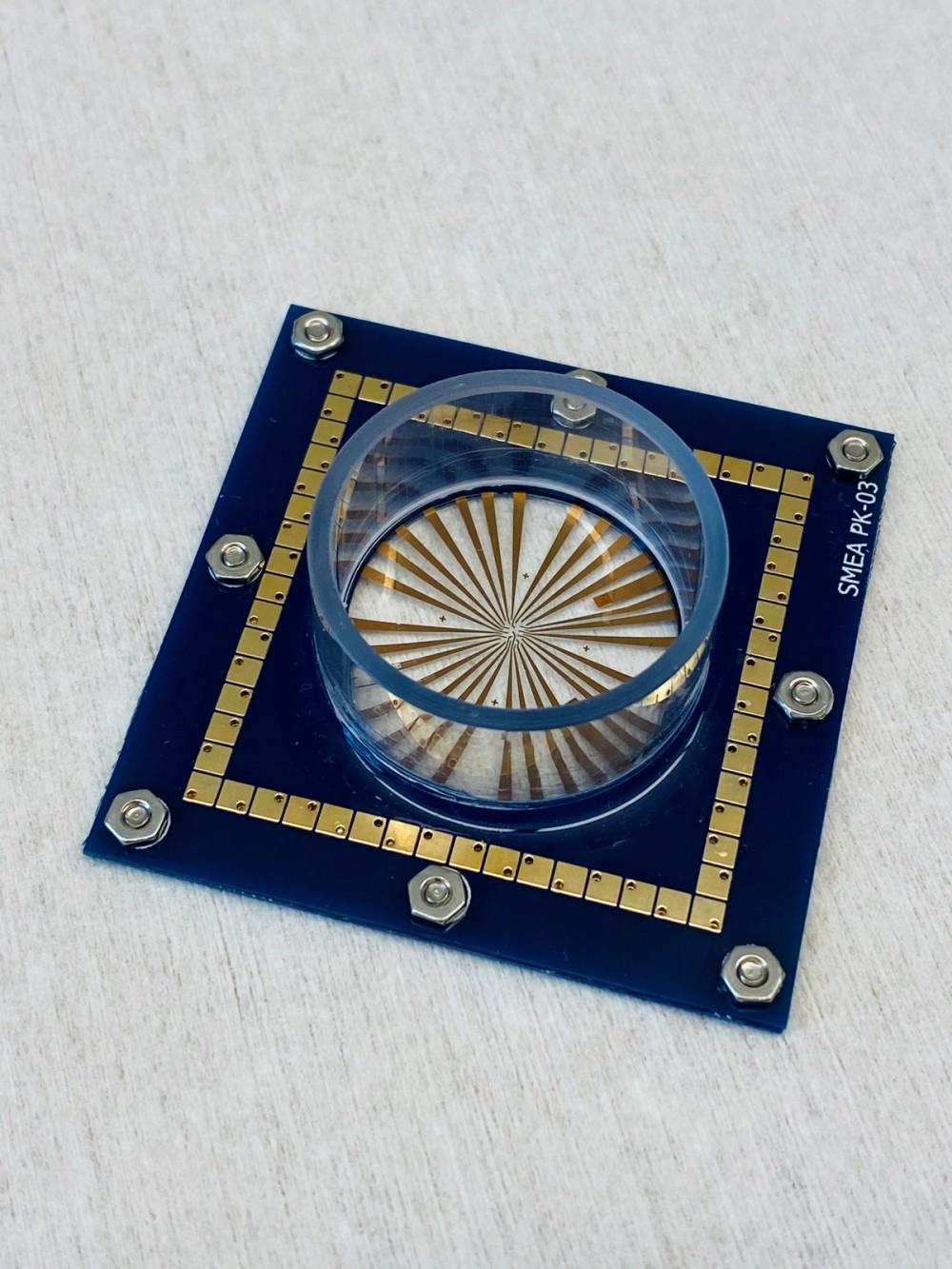
Graphene, MXene and conductive-polymer systems that deliver or direct electrical stimulation for regenerative and neurological applications.
3 associated researchers
Explore research area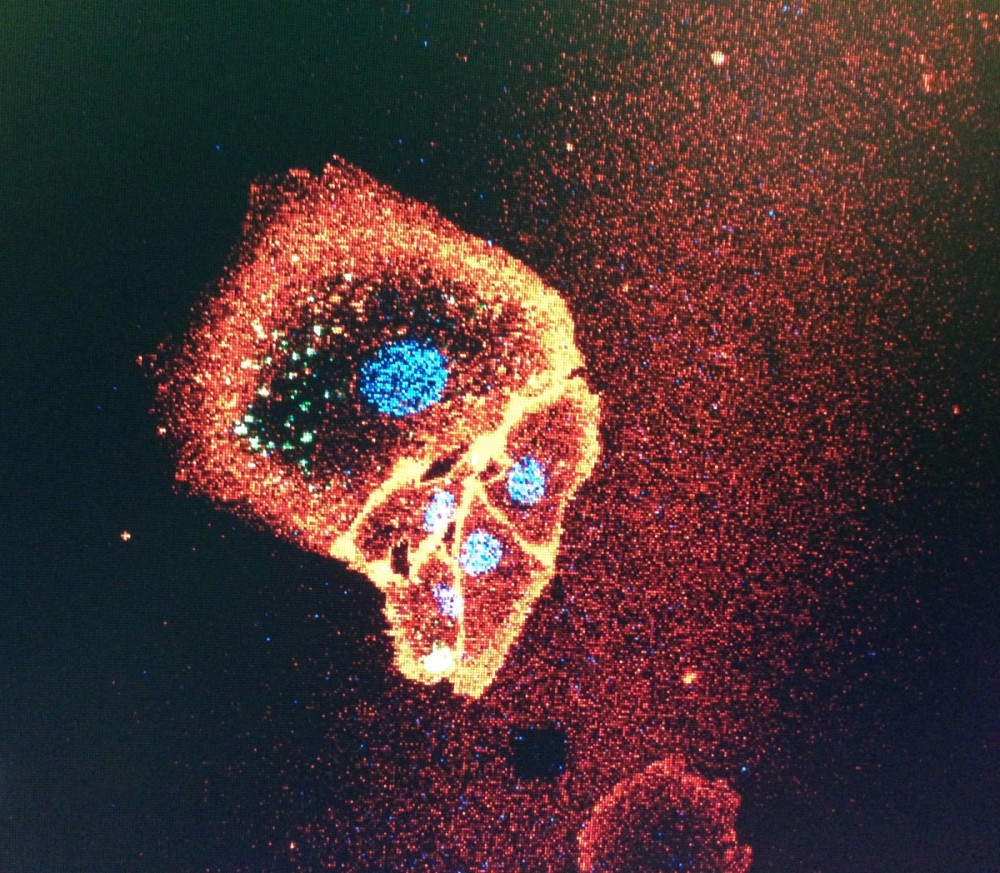
Bioactive materials designed to counter infection, regulate inflammation and create a repair-supportive immune environment.
6 associated researchers
Explore research areaClinical applications
03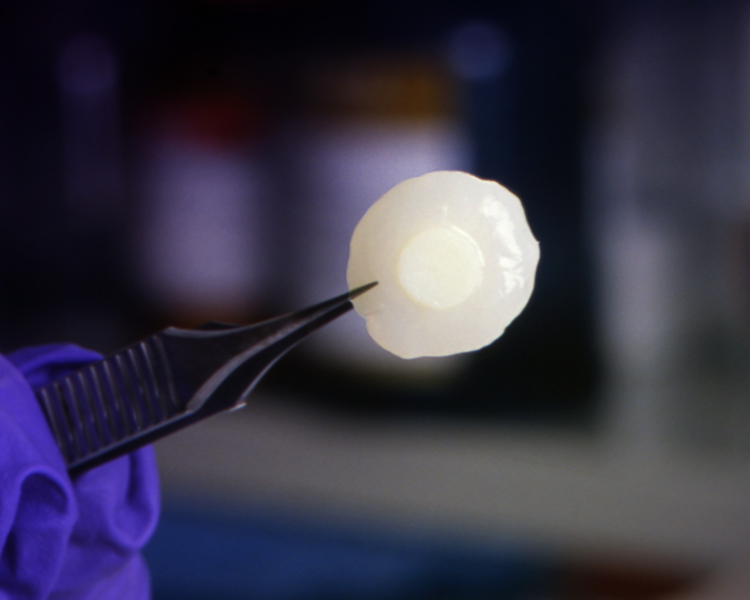
Regenerative and drug-delivery strategies for bone defects, cartilage damage, osteoarthritis and post-traumatic osteoarthritis (PTOA).
5 associated researchers
Explore research area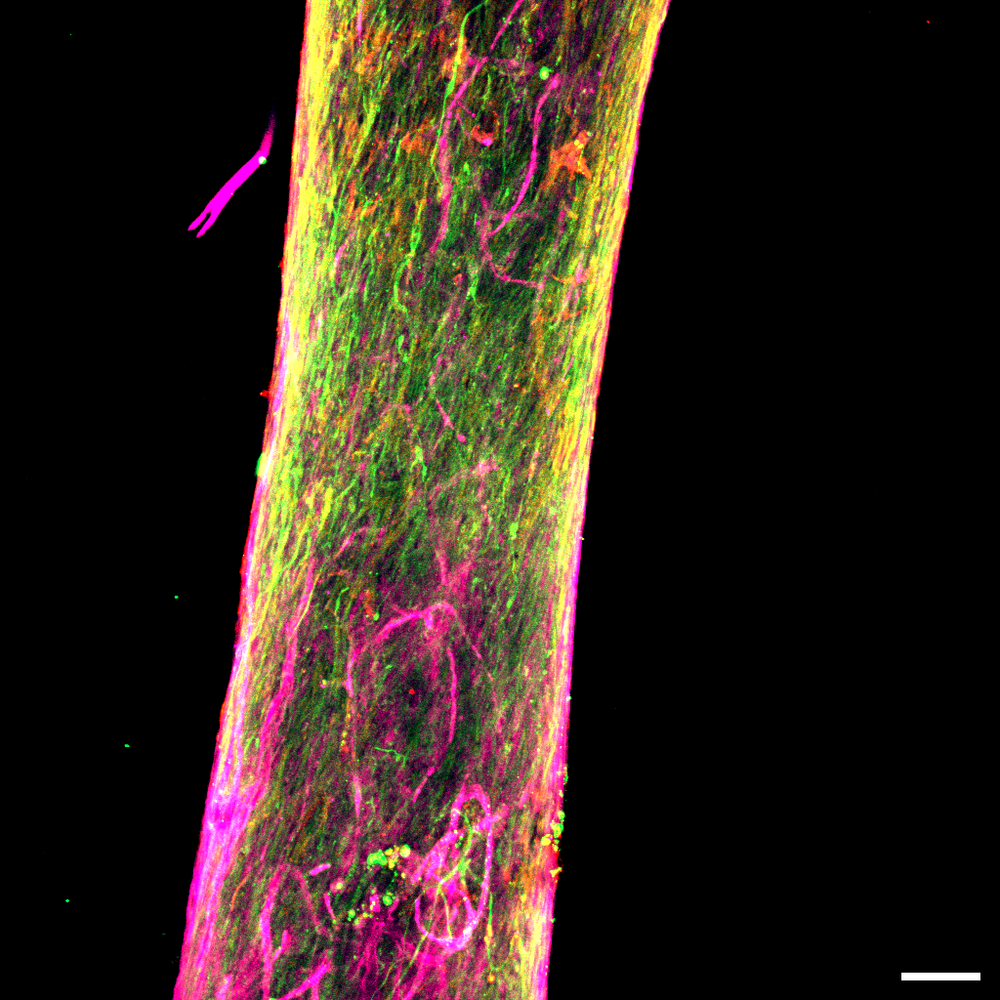
Biomimetic scaffolds, gene therapeutics and electroconductive implants for neurotrauma repair and neurological disease.
4 associated researchers
Explore research area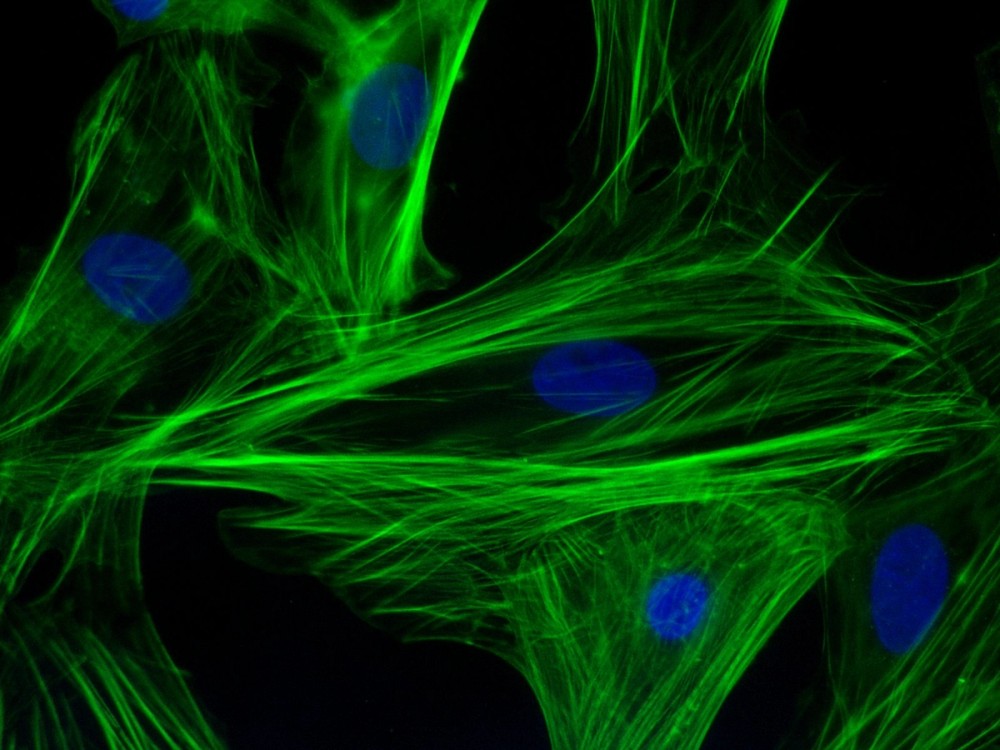
Vascular grafts, heart-valve scaffolds, computational models, biosensors and device-based treatments for cardiovascular disease.
5 associated researchers
Explore research area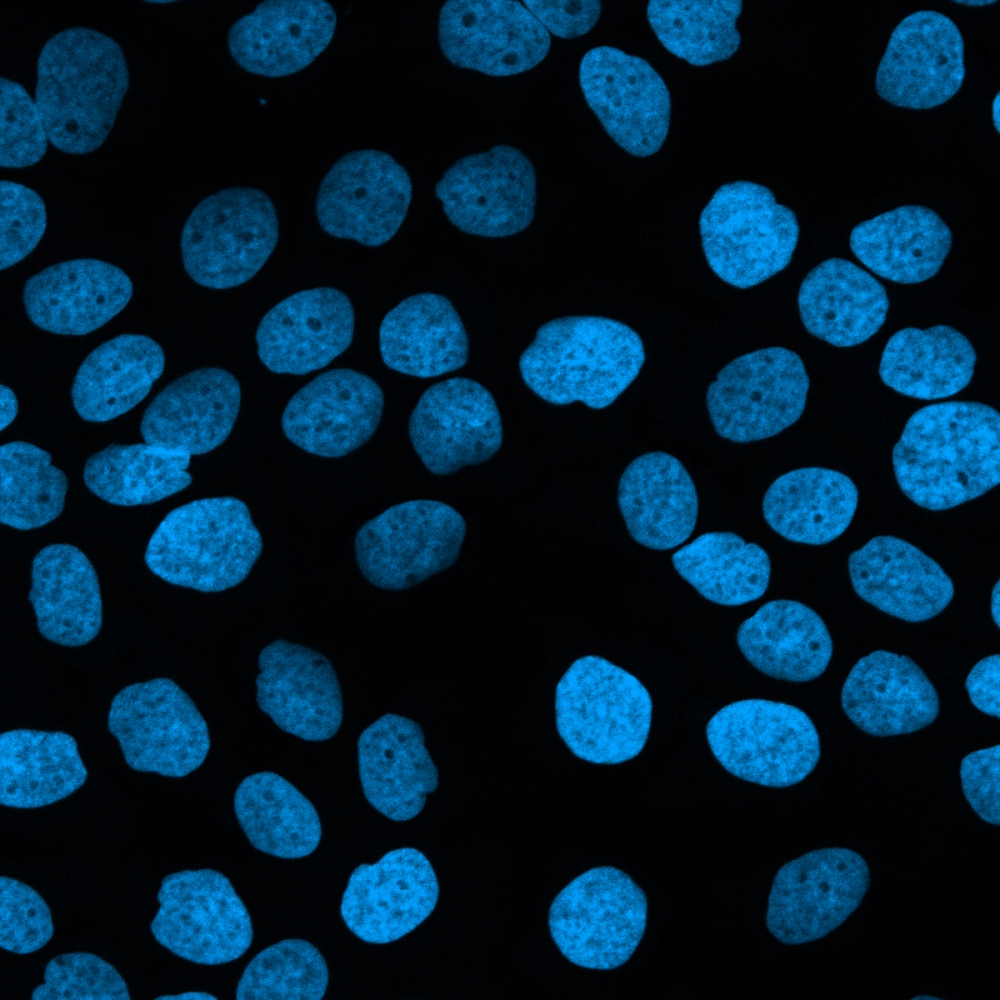
Hydrogels and multilayered biomaterials that promote angiogenesis, control inflammation and infection, and support chronic-wound repair.
3 associated researchers
Explore research area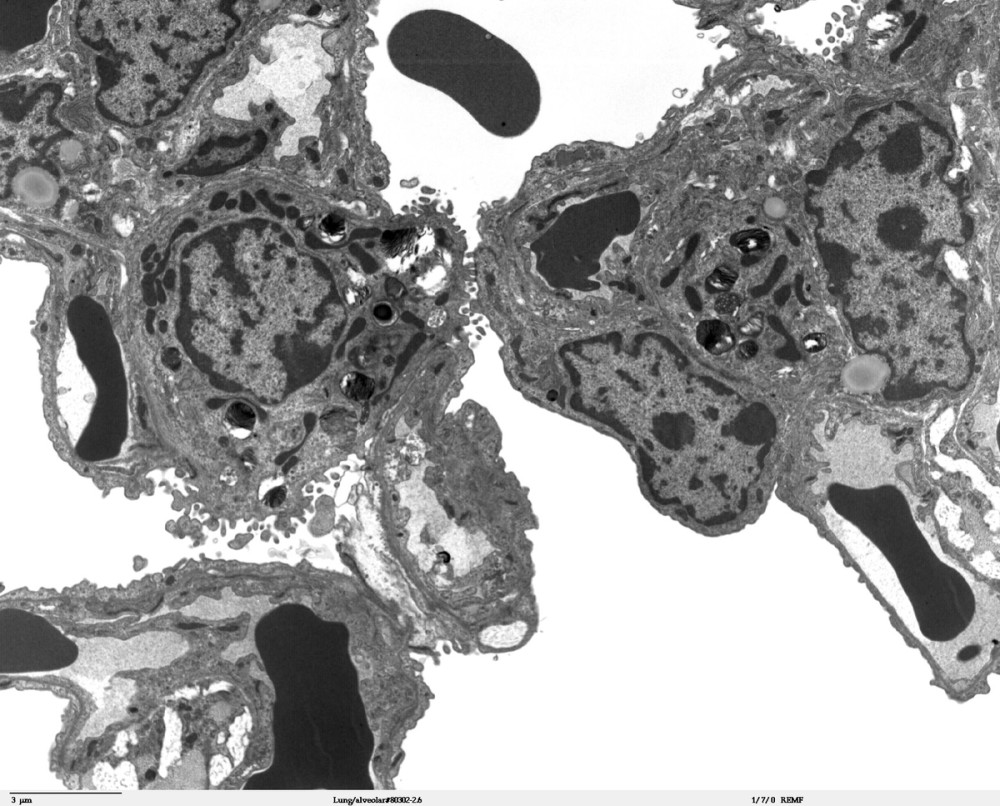
Scaffolds, disease models and delivery systems for airway regeneration, tuberculosis, cystic fibrosis and pulmonary fibrosis research.
3 associated researchers
Explore research area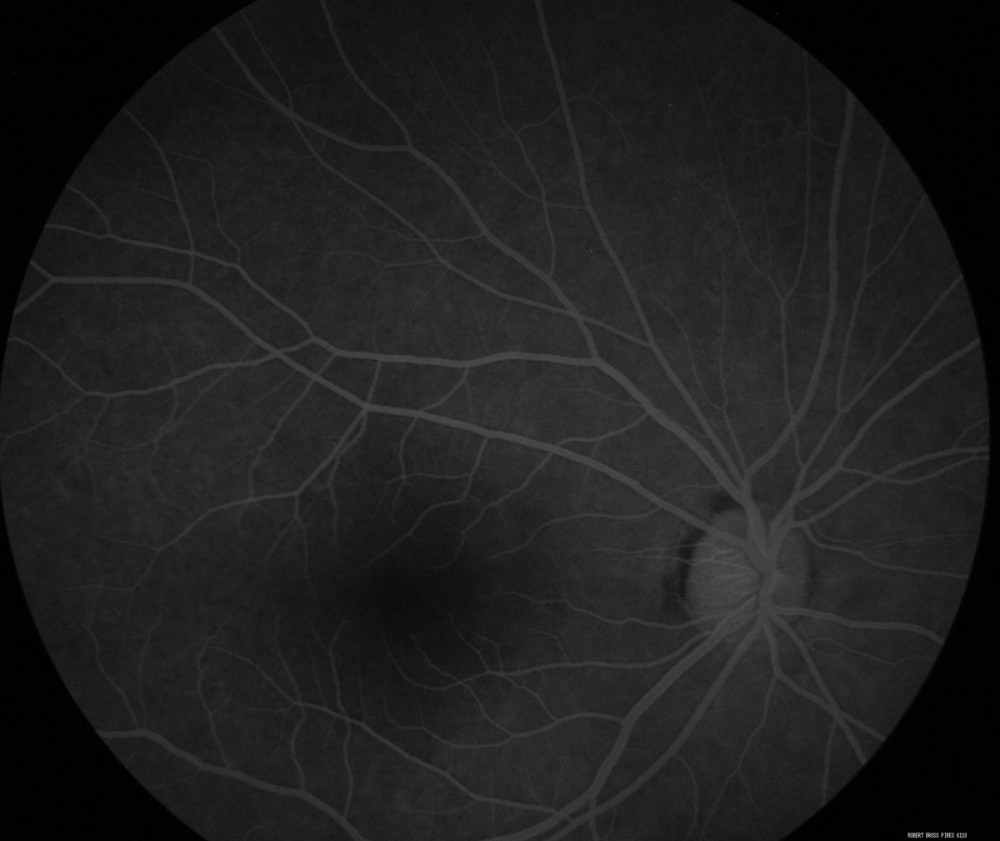
Collagen-based cell carriers and biodegradable drug-eluting technologies for corneal repair and improved glaucoma surgery outcomes.
1 associated researcher
Explore research area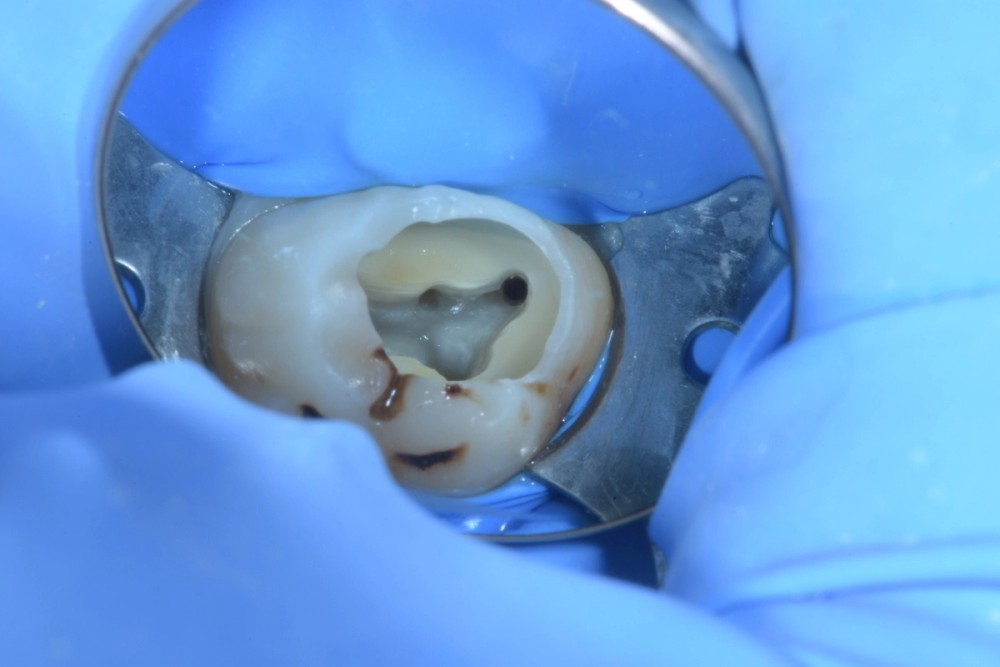
Biomaterial and tissue-engineering solutions for dental-pulp, periodontal, maxillofacial and complex oral-surgery applications.
3 associated researchers
Explore research area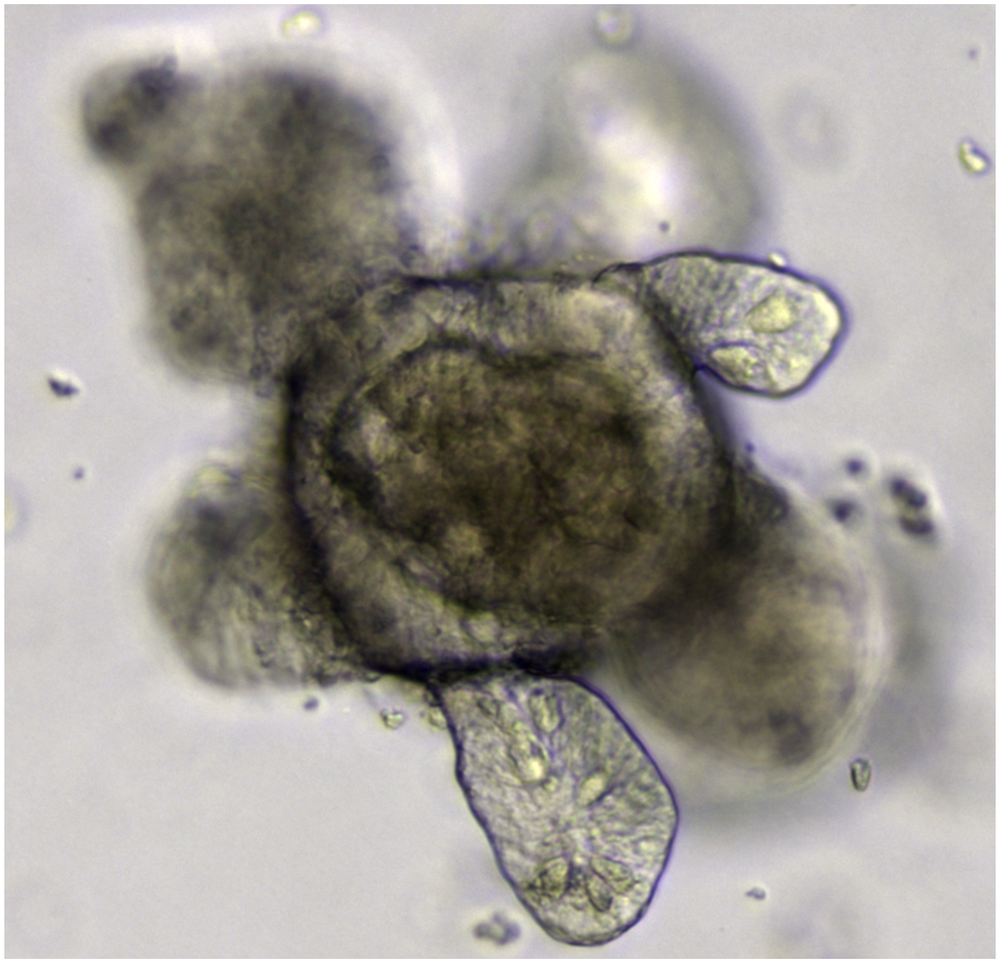
Three-dimensional models of cancer, bone infection, osteoporosis, lung disease and other tissue microenvironments for discovery and screening.
7 associated researchers
Explore research area