
Clinical applications
Skin and wound healing
Hydrogels and multilayered biomaterials that promote angiogenesis, control inflammation and infection, and support chronic-wound repair.
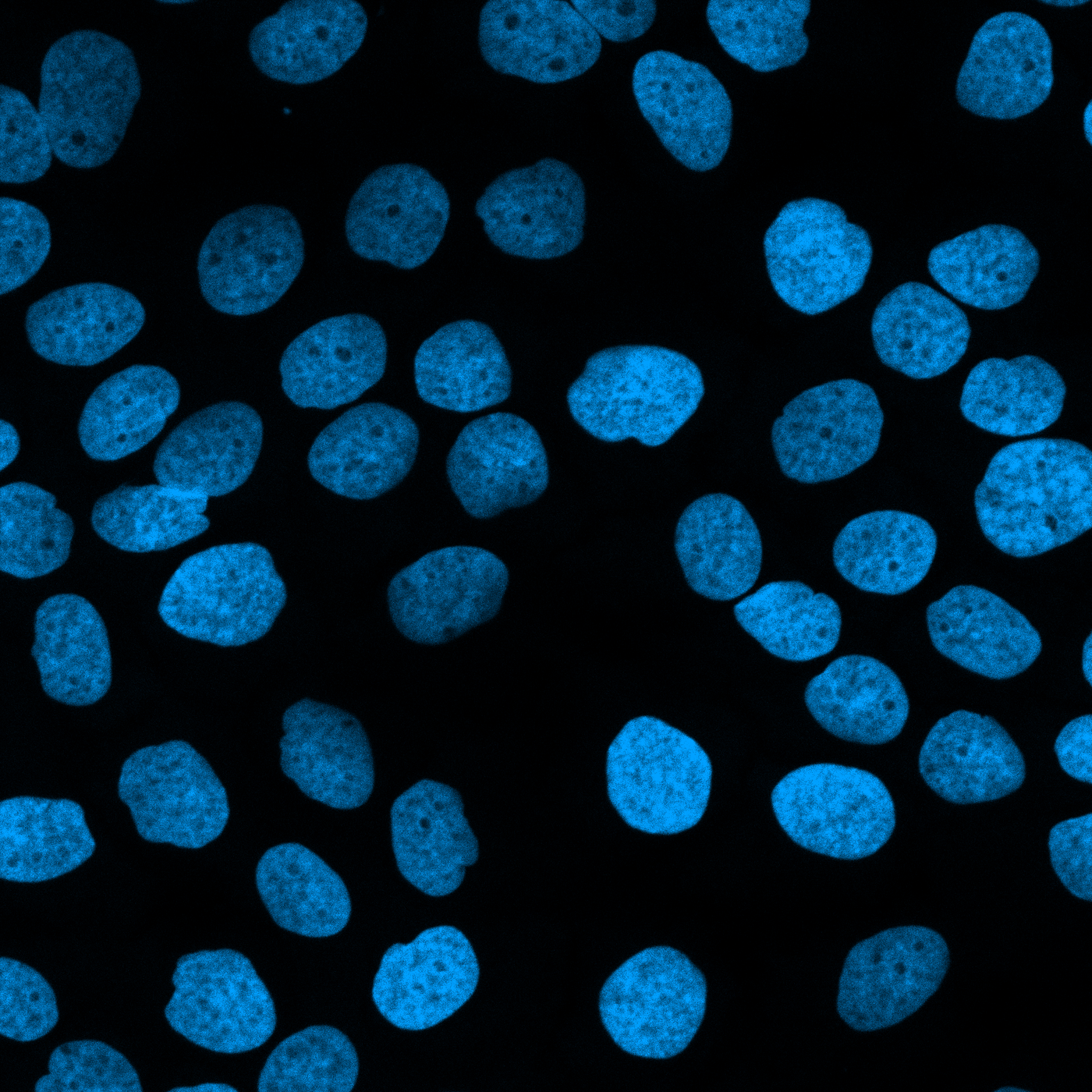
Overview
About this research
Hydrogels and multilayered biomaterials that promote angiogenesis, control inflammation and infection, and support chronic-wound repair.
People
Research team

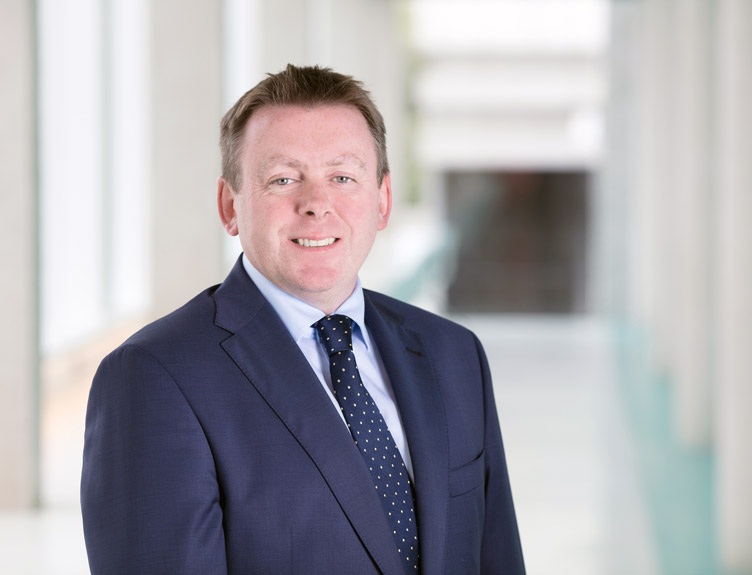
Director of TERG · Professor of Bioengineering and Regenerative Medicine · Principal Investigator
Fergal O’Brien
Biomaterials · Tissue engineering · Regenerative medicine
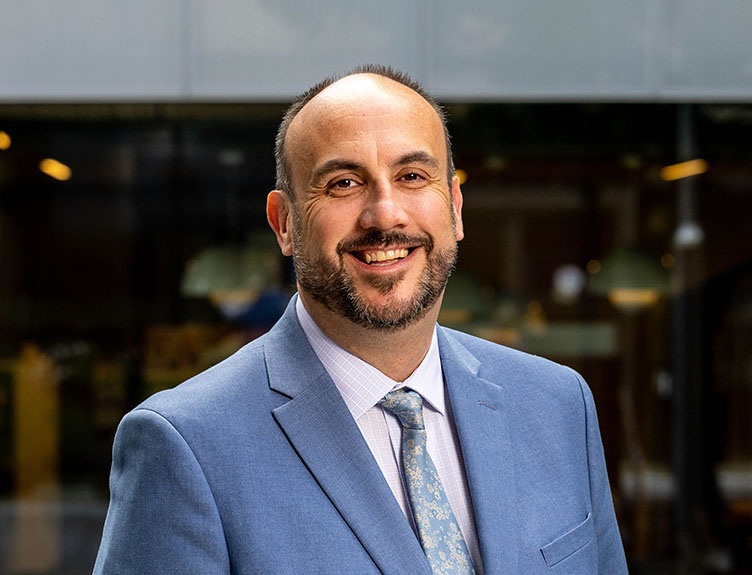
Head of Department · Principal Investigator
Garry Duffy
Translational medicine · Medical devices · Chronic wound technologies
Outputs
Related publications
Laminin 1 enhances the angiogenic and neurogenic potential of collagen-based scaffolds for complex wound healing applications.
Scaffold-mediated miRNA-155 inhibition promotes regenerative macrophage polarisation leading to anti-inflammatory, angiogenic and neurogenic responses for wound healing.
Understanding the Impact of Ostomy Dejecta Constituents on Peristomal Skin Health and Models for Its Characterisation
Development of a VEGF-activated scaffold with enhanced angiogenic and neurogenic properties for chronic wound healing applications.
Extracellular matrix-inspired biomaterials for wound healing.
A Biomimetic, Bilayered Antimicrobial Collagen-Based Scaffold for Enhanced Healing of Complex Wound Conditions
3D-Printed Gelatin Methacrylate Scaffolds with Controlled Architecture and Stiffness Modulate the Fibroblast Phenotype towards Dermal Regeneration.
Collaborate
Bring a problem worth solving.
We welcome conversations with academic, clinical and industry partners whose expertise can create a stronger route to impact.
Contact the lab