
Research areas
Gene-activated materials
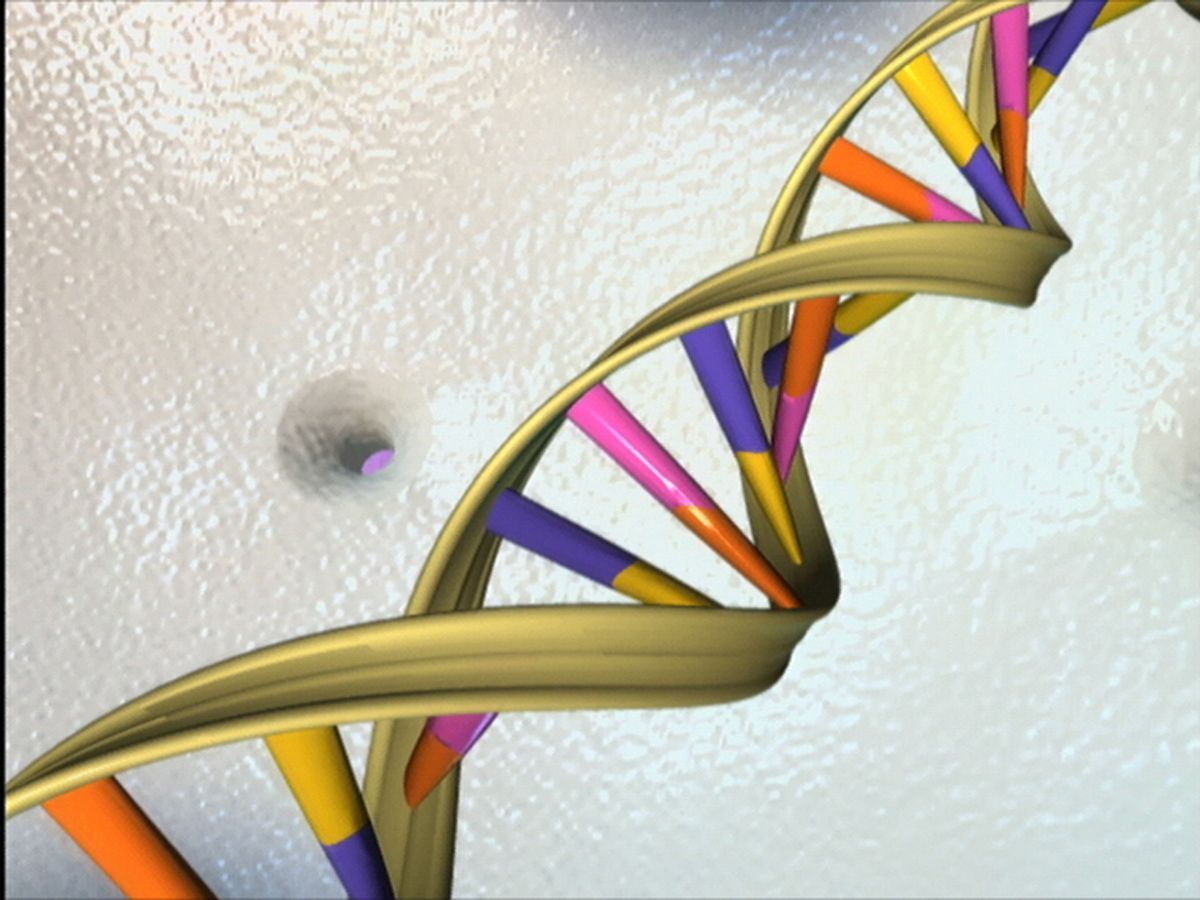
Non-viral vectors and biomaterial platforms that deliver genes, microRNAs and other nucleic-acid therapeutics at the site of repair.
Overview
About this research
Non-viral vectors and biomaterial platforms that deliver genes, microRNAs and other nucleic-acid therapeutics at the site of repair.
People
Research team

Director of TERG · Professor of Bioengineering and Regenerative Medicine · Principal Investigator
Fergal O’Brien
Biomaterials · Tissue engineering · Regenerative medicine


Senior Lecturer · Principal Investigator
Ciara Murphy
Biomaterials · Bioengineering · Bioinorganic ions



Research Fellow · Principal Investigator, Biomimetic Design Lab
Ian Woods
Electroconductive biomaterials · Gene therapeutics · Neurological disease models
Outputs
Related publications
Scaffold-mediated miRNA-155 inhibition promotes regenerative macrophage polarisation leading to anti-inflammatory, angiogenic and neurogenic responses for wound healing.
Development of a PTEN-siRNA activated scaffold to promote axonal regrowth following spinal cord injury.
A miR-activated hydrogel for the delivery of a pro-chondrogenic microRNA-221 inhibitor as a minimally invasive therapeutic approach for articular cartilage repair
Mobilizing Endogenous Progenitor Cells Using pSDF1α-Activated Scaffolds Accelerates Angiogenesis and Bone Repair in Critical-Sized Bone Defects
A Multifunctional Scaffold for Bone Infection Treatment by Delivery of microRNA Therapeutics Combined With Antimicrobial Nanoparticles.
Assessment of Cell Cytotoxicity in 3D Biomaterial Scaffolds Following miRNA Transfection
Layered Double Hydroxide as a Potent Non-viral Vector for Nucleic Acid Delivery Using Gene-Activated Scaffolds for Tissue Regeneration Applications.
Collaborate
Bring a problem worth solving.
We welcome conversations with academic, clinical and industry partners whose expertise can create a stronger route to impact.
Contact the lab