

Principal investigator
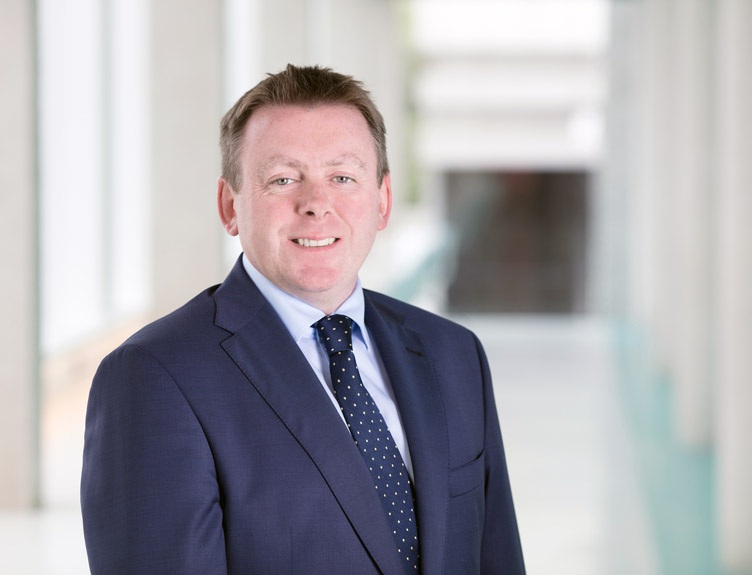
Fergal O’Brien
Director of TERG · Professor of Bioengineering and Regenerative Medicine · Principal Investigator
Biomaterials · Tissue engineering · Regenerative medicine · Gene delivery
About
Research profile
Professor Fergal O’Brien leads TERG’s multidisciplinary programme in advanced biomaterials for regenerative medicine, linking scaffold design, mechanobiology and therapeutic delivery with tissue repair and translation.
Expertise
Research interests
Lab members
Fergal’s research team
Postdoctoral researchers
9Postdoctoral Researcher
John Amante
John Amante is a postdoctoral researcher in Fergal O’Brien’s research group at TERG, RCSI.
Postdoctoral Researcher
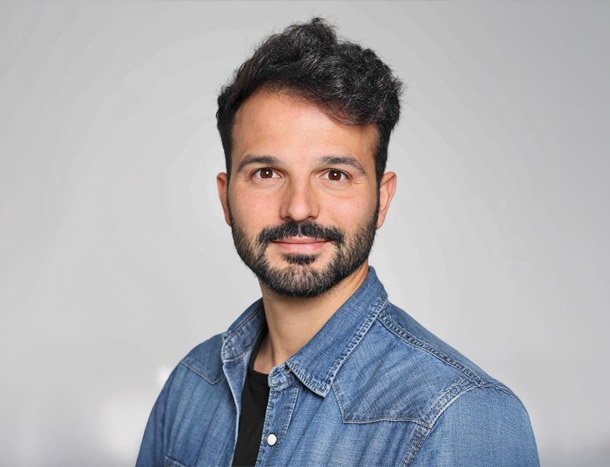
Giulio Brunetti
Giulio Brunetti is a postdoctoral researcher in Fergal O’Brien’s research group at TERG, RCSI.
Postdoctoral Researcher
Francisco Jose Calero Castro
Francisco Jose Calero Castro is a postdoctoral researcher in Fergal O’Brien’s research group at TERG, RCSI.
Postdoctoral Researcher
Marko Dobricic
Marko Dobricic is a postdoctoral researcher in Fergal O’Brien’s research group at TERG, RCSI.
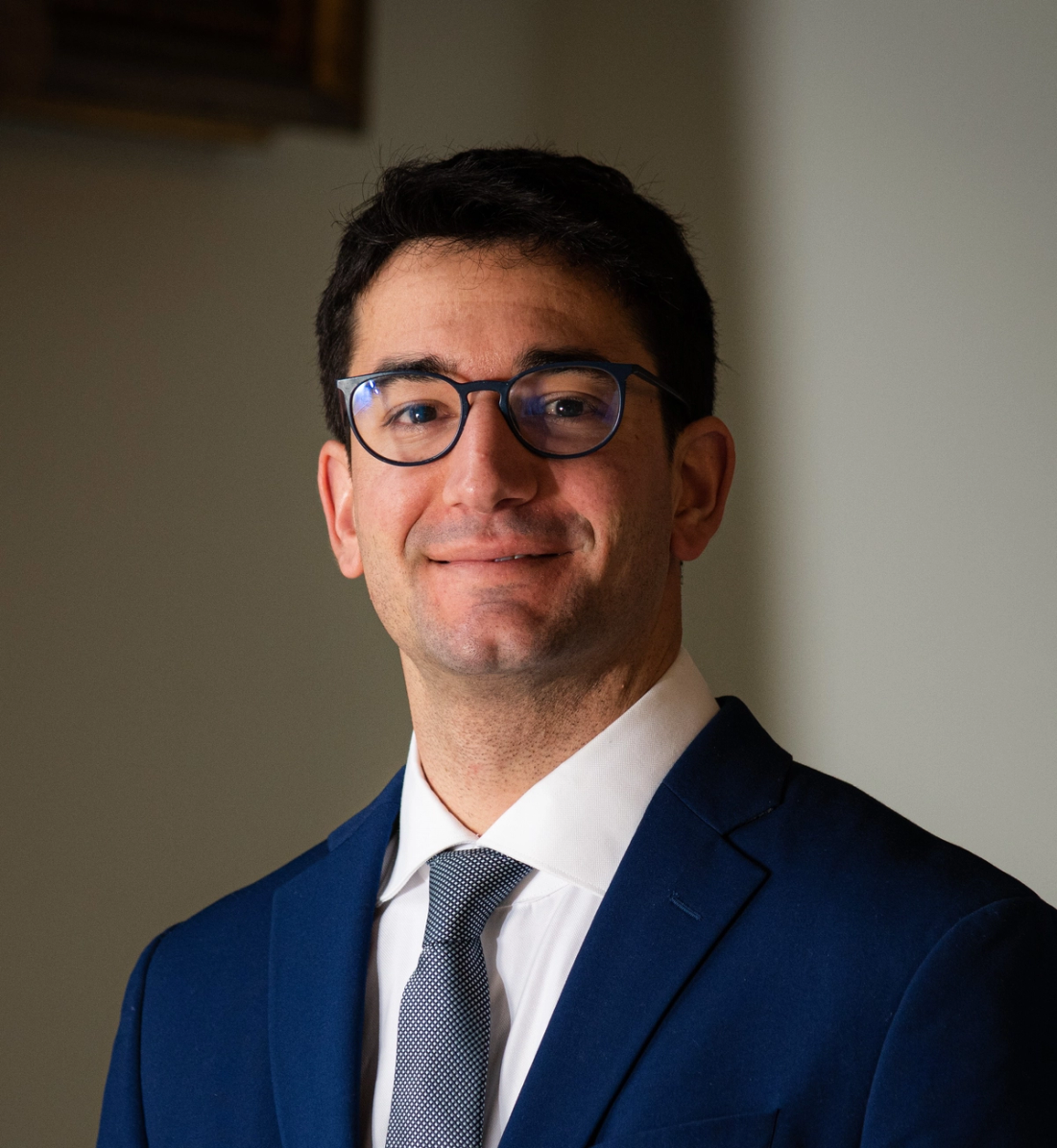
Postdoctoral Researcher
Javier Gutierrez Gonzalez
Javier Gonzalez is a postdoctoral researcher in Fergal O’Brien’s research group at TERG, RCSI.
Postdoctoral Researcher
Liam Leahy
Liam Leahy is a postdoctoral researcher in Fergal O’Brien’s research group at TERG, RCSI.
Postdoctoral Researcher
Yuyao Liu
Yuyao Liu is a postdoctoral researcher in Fergal O’Brien’s research group at TERG, RCSI.
Postdoctoral Researcher
Cian O'Connor
Cian O'Connor is a postdoctoral researcher in Fergal O’Brien’s research group at TERG, RCSI.
Postdoctoral Researcher
Golestan Salimbeigi
Golestan Salimbeigi is a postdoctoral researcher in Fergal O’Brien’s research group at TERG, RCSI.
PhD researchers
5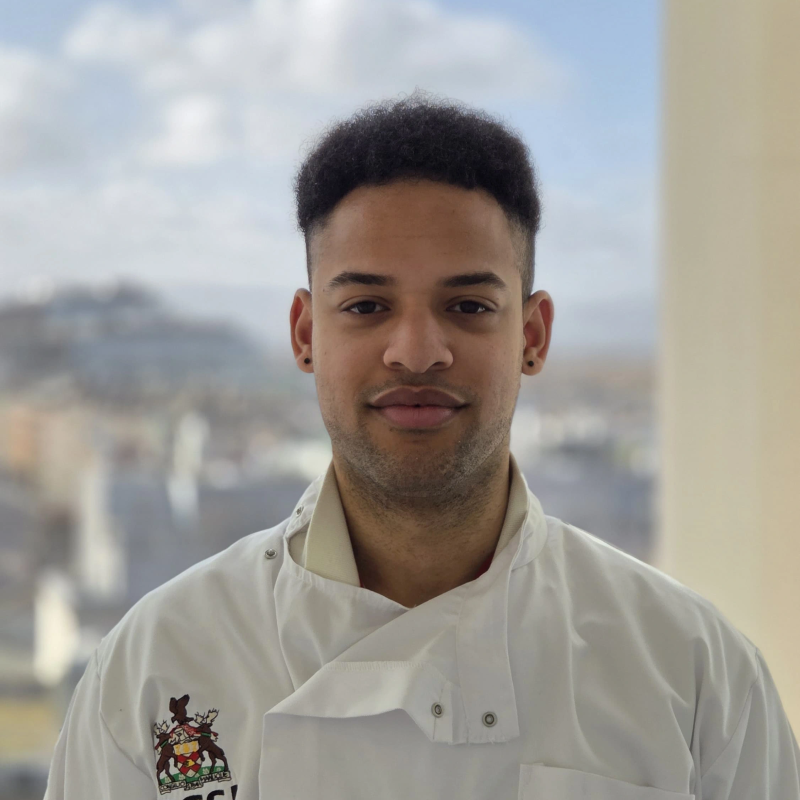
PhD Researcher
Shean Bennett Sainz
Shean Bennett Sainz is a PhD researcher in Fergal O’Brien’s research group at TERG, RCSI.
PhD Researcher
Julia Burke
Julia Burke is a PhD researcher in Fergal O’Brien’s research group at TERG, RCSI.
PhD Researcher
Aamena Mejevdiwala
Aamena Mejevdiwala is a PhD researcher in Fergal O’Brien’s research group at TERG, RCSI.
PhD Researcher
Rena Mullally
Rena Mullally is a PhD researcher in Fergal O’Brien’s research group at TERG, RCSI.
PhD Researcher
Anne Marie O'Callaghan
Anne Marie O'Callaghan is a PhD researcher in Fergal O’Brien’s research group at TERG, RCSI.
Research assistants
1Research Assistant
Sean Curtis
Sean Curtis is a research assistant in Fergal O’Brien’s research group at TERG, RCSI.
Selected outputs
Highlighted publications
Laminin 1 enhances the angiogenic and neurogenic potential of collagen-based scaffolds for complex wound healing applications.
Scaffold-mediated miRNA-155 inhibition promotes regenerative macrophage polarisation leading to anti-inflammatory, angiogenic and neurogenic responses for wound healing.
Advances in tissue engineering strategies for periodontal and endodontic regeneration: Current therapies and future trends for disease treatment and tissue repair in the oral cavity.
Development of a PTEN-siRNA activated scaffold to promote axonal regrowth following spinal cord injury.
3D-Printing of Electroconductive MXene-Based Micro-Meshes in a Biomimetic Hyaluronic Acid-Based Scaffold Directs and Enhances Electrical Stimulation for Neural Repair Applications
Biomimetic Scaffolds Enhance iPSC Astrocyte Progenitor Angiogenic, Immunomodulatory, and Neurotrophic Capacity in a Stiffness and Matrix-Dependent Manner for Spinal Cord Repair Applications
Industry & translation
Turning research into impact.
TERG works with academic, clinical and industry partners to move biomaterials, devices and regenerative technologies towards patient benefit.
Industry, spin-outs and collaborationContact
Start a conversation.
For research, collaboration and supervision enquiries, email fjobrien@rcsi.com.
Lab contact details