

Principal investigator
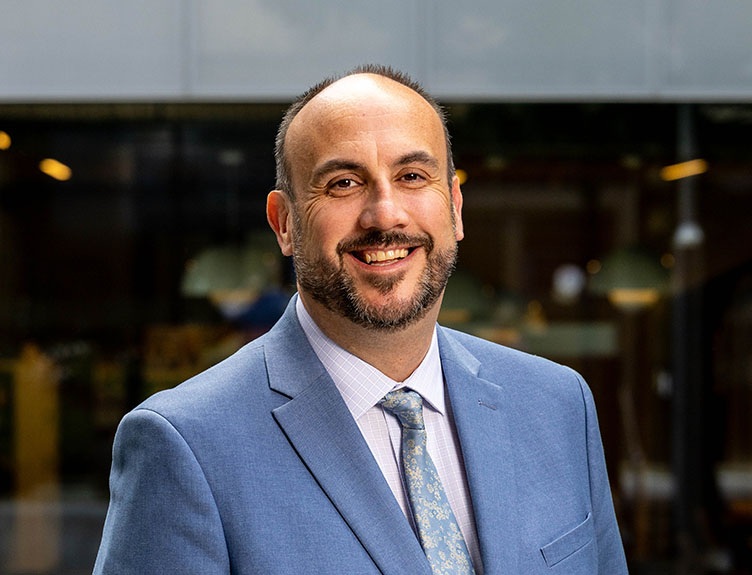
Garry Duffy
Head of Department · Principal Investigator
Translational medicine · Medical devices · Chronic wound technologies · Infusion technologies
About
Research profile
Professor Garry Duffy heads RCSI Anatomy and Regenerative Medicine. His work spans translational medicine, medical devices, technology transfer and commercialisation.
Expertise
Research interests
01Translational medicine
02Medical devices
03Chronic wound technologies
04Infusion technologies
05Regenerative medicine
06Commercial translation
Lab members
Garry’s research team
No lab members are currently listed.
Selected outputs
Highlighted publications
Dual scaffold delivery of miR-210 mimic and miR-16 inhibitor enhances angiogenesis and osteogenesis to accelerate bone healing.
Device-Based Solutions to Improve Cardiac Physiology and Hemodynamics in Heart Failure With Preserved Ejection Fraction.
Towards the use of localised delivery strategies to counteract cancer therapy-induced cardiotoxicities.
Resveratrol significantly improves cell survival in comparison to dexrazoxane and carvedilol in a h9c2 model of doxorubicin induced cardiotoxicity.
Rapid bone repair with the recruitment of CD206(+)M2-like macrophages using non-viral scaffold-mediated miR-133a inhibition of host cells.
Industry & translation
Turning research into impact.
TERG works with academic, clinical and industry partners to move biomaterials, devices and regenerative technologies towards patient benefit.
Industry, spin-outs and collaborationContact
Start a conversation.
For research, collaboration and supervision enquiries, email garryduffy@rcsi.com.
Lab contact details